Being Agile
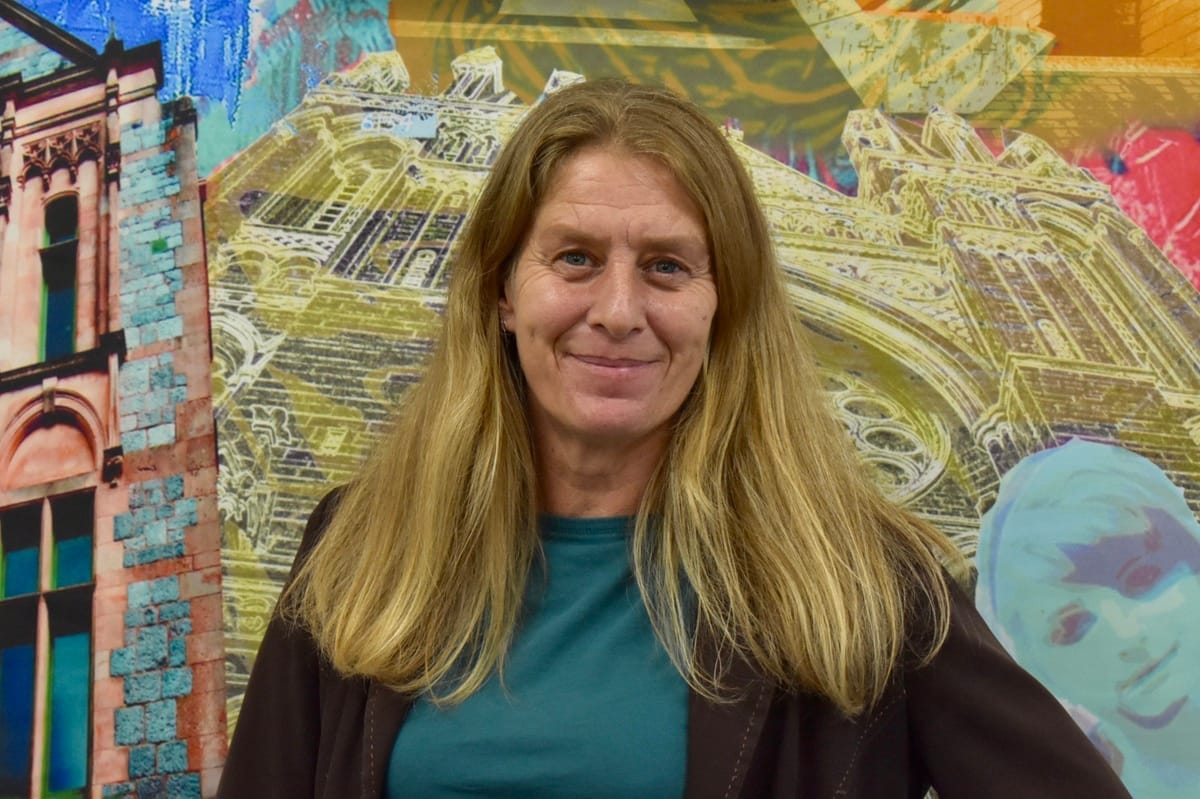
Belinda Waldock
Welcome to
Being Agile in Museums, Arts & Heritage
Download your FREE Agile Project Planner and Guide!
Simple, light and effective
Make real progress on your goals
Free up your time and headspace
Make space for what matters most
Gain focus, clarity and visibility
Create a plan that works with you and easily adapts as things change
Includes:
Guided Step by Step Video
Quick Guide PDF
Printable/Digital Template
"Thank you, great method of time management and organisation. I can definitely see how it can help on an individual and organisation wide basis." Janine Fairlie, Ely Museum
Great session! I’m really looking forward to applying the Agile method in my work. I can already see how it will be beneficial for managing 1:1s, balancing employee workloads, and clearly communicating time pressures and demands to managers. I especially appreciated how the training was tailored to the arts and heritage sectors—it made the content feel relevant and practical. Katie McGivney, Tullie House
Agile Project Management for Museums, Heritage and Arts Projects
Learn and apply agile thinking and methods — feel more organised, focused, resilient, and in control, even when things are changing.

Reduce overwhelm using simple tools
Stay organised and focused
Keep track of everything real-time
Feel more in control of shifting priorities, projects and to-do lists
Make confident decisions using an adaptive mindset to navigate uncertainty
Work more effectively by reviewing and improving how you work over time
Manage real projects and ideas using practical, flexible planning methods
Get unstuck and feel more motivated by seeing visible progress and quick wins
Collaborate more smoothly with tools that reduce emails and improve communication
Build resilience and a sustainable pace to maximise impact
“I found the Being Agile training very useful, especially the canvas. The clear method to organise my big giant list of all of the things that need to be done, with some practical ways to prioritise tasks is helpful. Belinda is really approachable and understands that museums can have some unique challenges, and her experience with small businesses allows for the exchange of ideas.” Zara Matthews, Museum Manager Network
Arts, Heritage & Creative Project Management
Practical online courses and workshops designed specifically for professionals in the arts, heritage, and creative sectors.
Our courses and workshops introduce Agile project management, a flexible and collaborative approach that helps teams navigate change, manage resources effectively, and deliver impactful work.
"Thanks very much indeed for the session, I really appreciated it and it will help me with managing my own time, developing project planning, and collaborating with other teams. I really appreciated the practical application of the ideas, and the tools to take away and use immediately."
Jo Bartholomew, York Museums Trust
What's Included
Introduction to Agile Project Management for Arts, Heritage and Creative Professionals Course and Workshop
4 Part Introduction Course (2 hours)
Applied Live Workshop Replay (3 hours)
Plus!
FREE Project Planning Canvas: A printable canvas to help you apply Agile methods to your own work during the workshop. (Print 8 x A4 pages to create your own A1 Project Wall Planner.
20+ Stories, Interviews and Examples to inspire you!
Digital Project Boards Mini Course
Agile Mindset Masterclass
Adaptable Planning Masterclass
Agile Canvas Course
Really enjoyed working through the Agile Canvas. Found the t-shirt exercise really useful and breaking down tasks into the To Do list. Overall, the agile approach and philosophy is much better aligned to the realities of my working life and that of my organisation. Helen Bishop-Stephens. Bodmin Keep
Ideal for you if...
This workshop is ideal for individuals and teams involved in projects in Arts, Heritage and Creative spaces:
Project management
Exhibitions
Events
Education & Training
Productions & Performances
Curation and archive projects
Interpretation & Experiences
Conservation & Preservation
Marketing and communications
Sustainability & Resilience
Commercial - Self sustaining income streams.
Operations and management
Funded programmes
Innovation and improvement initiatives
Collaborations and partnerships
Traditional and Digital
No prior experience with Agile is necessary. Whether you’re managing a small team or coordinating large-scale projects, this workshop will provide valuable insights and tools.

Your Guide : Belinda Waldock
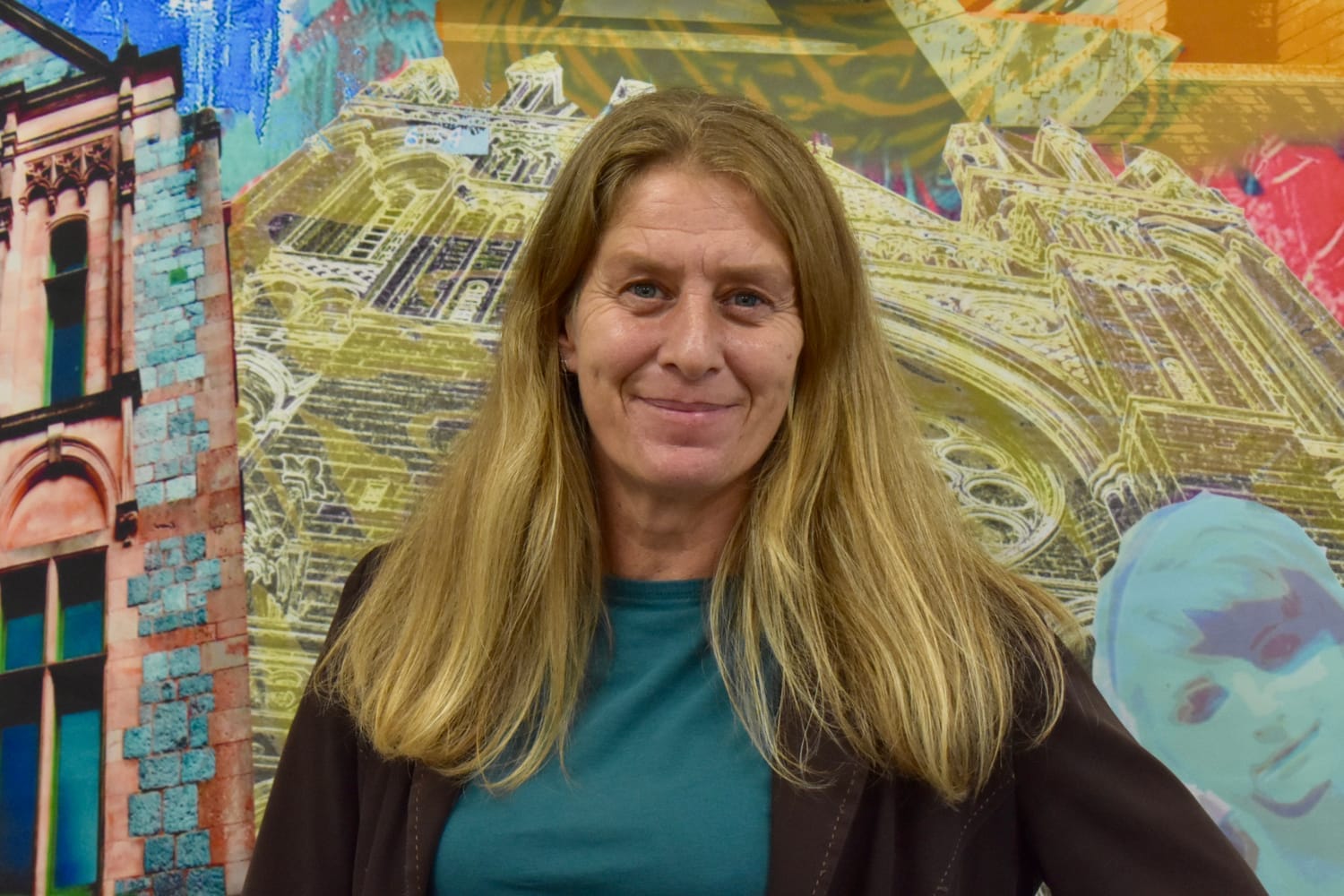
Belinda is a business coach, trainer, speaker and author. She supports individuals, teams and organisations to adopt an agile way of working to enhance their well-being, productivity and growth.
Belinda has worked with Museums, Heritage and Arts organisations internationally to adopt agile approaches since 2015. Her favourite subjects at school were English, Art, History and Geography, so it makes sense her career has led her to this pathway supporting our Arts, Heritage and Culture.
During that time she has worked with organisations including; Arts Council England, National Trust, Cornwall Museums Partnership, Museum Managers Network, The MERL, Media Majlis (Doha), Falmouth Maritime Museum, Durham Cathedral, and the Wildlife Trust.
Previously, she founded, led and grew a self-sustaining Not for Profit community and developed a one off event into a global award winning conference through EU funded programmes creating an ongoing legacy when funding ended.
She enjoys sharing her experience and knowledge, speaking at events, including being a keynote speaker at AMA. She has worked with a variety of sectors during her 25 year career as a Business Growth Coach.
Belinda’s book, Being Agile in Business, published internationally by Pearson is a popular non-technical introduction to agile thinking, approaches and culture. Her work has been published in the Times and featured on BBC Radio 4 and was shortlisted as management book of the year by the Chartered Management Institute.
When she's not being agile at work, you'll find her enjoying the countryside with her pony Murphy and Jack Russell Jed!

Case Study : Preservation & Conservation - Marketing Project Example and Board Demo
Sign up to watch the full interview and over 20 other stories and examples to guide and inspire you!
5 Reasons Why Agile Approaches work in Museums, Arts & Heritage
Being Agile is a way of thinking and working that helps people navigate complexity, adapt to change and work more sustainably. For those working in museums, galleries and heritage, agile can help us balance the demands of curation, collaboration, funding, change and wellbeing.
Here are five reasons why...
1. Supporting smart and creative curation
Agile is an approach where we can test ideas, gather feedback and refine our work as we go for maximising impact. It provides structure without stifling creativity. It creates space for learning and exploration, helping us stay audience focused while keeping the heart of our collections and stories alive. Whether you're developing a new exhibition, immersed in interpretation or preserving heritage, agile supports us to deliver meaningful experiences, one step at a time.
2. Navigating funding challenges
Funding in arts and heritage has become more project focused. Complex goals, short timeframes, big ambitions, collaborations to coordinate, challenges to overcome. Agile supports us to plan flexibly and do the best we can with what we've got! It helps us prioritise what matters most and make sure we are ticking those boxes. It helps us make the best use of the time and budget. Delivering solutions early and often, make progress quickly and respond to funders’ feedback, building confidence and trust along the way.
3. Fostering creative collaboration
Agile thrives on teamwork. It creates space for open communication, shared goals and collective ownership. In heritage spaces where staff, volunteers, freelancers and partners work together, agile offers a common language and rhythm. Daily check-ins, visual boards and regular reviews can help everyone stay aligned and feel part of the journey, whether they’re front of house, behind the scenes or joining remotely.
4. Responding to change with confidence
The best made plans go to waste... From audience expectations to cost of living challenges constant change is all around us and to deliver targets we often need to adapt our initial plans, quickly! Agile helps us respond to change, spot risks early, and opportunities! It gives us tools to sense what’s shifting and adapt our plans without losing direction. Instead of sticking rigidly to long-term plans, we can stay clear on our goals but flexible in how we reach them. That makes us more resilient and ready to explore new opportunities as they emerge.
5. Working at a sustainable pace
Many in the sector are facing burnout. Agile encourages us to work at a sustainable pace, not sprint endlessly from one deadline to the next. It supports wellbeing by building in time for reflection, celebration and rest. It helps us spot when we’re overstretched and take steps to rebalance. By focusing on steady, meaningful progress rather than perfection or pressure, agile helps us care for ourselves as well as our work.
Agile are approaches already naturally present in our arts and heritage sector in many ways, often informally or instinctively. By adopting a more intentional agile approach, we can bring clarity, creativity and calm to our work. Whether you’re a volunteer or a senior curator, a project manager or an educator, agile offers tools and mindsets to help you thrive in a changing world.
If you'd like to learn more you can download the Free Agile Project Planner for a taster, or join me on my live monthly workshop. If you'd like to learn at your own pace, check out the online course, or do get in touch if you would like a custom session for you or your team or network.
My courses and workshops are designed specifically for professionals in the arts, heritage, and creative sectors. This session introduces Agile project management, a flexible and collaborative approach that helps teams navigate change, manage resources effectively, and deliver impactful work.
Thank you Belinda for this amazing session, incredibly helpful for tackling bigger projects that centre around the unknown. A great tool to have at the start of my career.
Sophie Gwynn, Durham Cathedral
The most useful training I’ve been to to actually help with workload
Excellent, really clear and methodical approach that I can apply
Very useful and timely, some excellent specific outcomes.
Thank you very interesting and positive. Look forward to bringing this to the workplace 😀
Fantastic session so helpful and clear mix of theory and practice. Lots of to take good sense of humour and atmosphere trick/tip with the post its is a revelation !
Enjoyable and interesting day, different way of thinking!
Great to be out of the office getting more perspective on managing workload effectively
Really useful, like the canvas
Very clear and accessible
Values and principles that feel intuitive tools that will be immediately helpful.
Concise, useful, interesting and interactive
Exceeded expectations, gave a structure to lots of ways that were familiar. Really useful and practical advice, well tailored to the sector.
Practical, succinct, relevant, and relatable. Thanks. PS Post it knowledge is mind blowing!
Probably the best training I’ve ever done!
Museum Managers Network Group Workshop
Why Agile is Made for Arts, Heritage and Creative Work
Agile is a people-first, flexible way of working that supports creativity, collaboration and change, making it a perfect fit for the arts, heritage and creative sectors.
Whether you’re planning an exhibition, running events, managing a learning programme, or coordinating volunteers, your work often involves shifting timelines, tight resources and a need to adapt as you go. Agile helps you manage all of that, without losing sight of your values or your vision.
It gives you practical tools to plan and deliver your work in manageable steps, communicate clearly with your team, and stay focused on what really matters, even when things are changing and uncertain.
If you care about working well with others, delivering meaningful projects and making the most of what you’ve got, Agile can help.
Really useful food for thought. I'll definitely use the Agile strategies for my future projects and advocate for training for the rest of my team.
Clare Hunt, National Museum Royal Navy.
What You'll Gain
Understand Agile Principles: Learn the core concepts and benefits of Agile methodologies
Apply Agile Tools: Discover how to implement Agile thinking and tools in your projects and teams.
Enhance Collaboration: Improve team communication and adaptability, whether working remotely or on-site.
Practical Application: Use the Being Agile Canvas to apply Agile practices to your current work during interactive exercises.
Case studies, examples and discussions about your specific project.
Thank you, great method of time management and organisation. I can definitely see how it can help on an individual and organisation wide basis. Janine Fairlie, Ely Museum
Arts, Heritage & Creative Project Management
Attendees will gain a clear understanding of the principles and theory behind agile working, as well as practically apply agile principles and practices within their own working environment.
Agile Thinking – understand and develop an agile mind set
Agile Method – adopt agile principles and practices
Agile Approach – implement practical tools and techniques
Agile Culture – create an environment that enables agility
Course Details
2 Hour, 4 part Introduction to Agile Course
3 Hour Applied Workshop - Live replay
No previous knowledge required
Course level : Introduction
Suitable for : Arts, Heritage & Creative teams & organisations.
Type : Theory, Discussion and Practical application
“Thank you – one of the best training sessions I’ve been on in a long time. Really productive, pragmatic and helpful” Chloe, Cornwall Museums Partnership
5 Reasons Agile Works in Museums, Arts & Creative Organisations
1. Supports Collaboration - Agile brings people together. It helps teams, freelancers, and volunteers stay on the same page, share ideas, and move forward with clarity and confidence.
2. Adapts to Change - Projects in the arts often shift, new partners join, funding changes, ideas evolve. Agile helps you respond to changes without losing momentum.
3. Works with Limited Time and Resources - Agile is all about doing what matters most, first. It helps you focus your energy and make steady progress, even with small teams or tight budgets.
4. Encourages Creativity and Experimentation - Agile supports trying things out, learning as you go, and refining your ideas, making it ideal for creative work, exhibitions, and engagement programmes.
5. Fits Your Values - Agile puts people first. It’s built on trust, openness, care and continuous learning, values that already run deep in arts and heritage work.

Read the Book!
Being Agile in Business
Discover Faster, Smarter, Leaner Ways to Work
"Your Agile in Business book is brilliant; the most clear and practical Agile book I’ve read so far. I’ve read a few in my quest to understand the approach and its impact on leadership." Susie Cole FCIPD
"The author knows her stuff. Since reading the book I have attended several workshops with Belinda to reinforce the learning. It’s worth the read especially if you are a SME. It helps with juggling and never dropping the ball again."
