Being Agile
Belinda Waldock
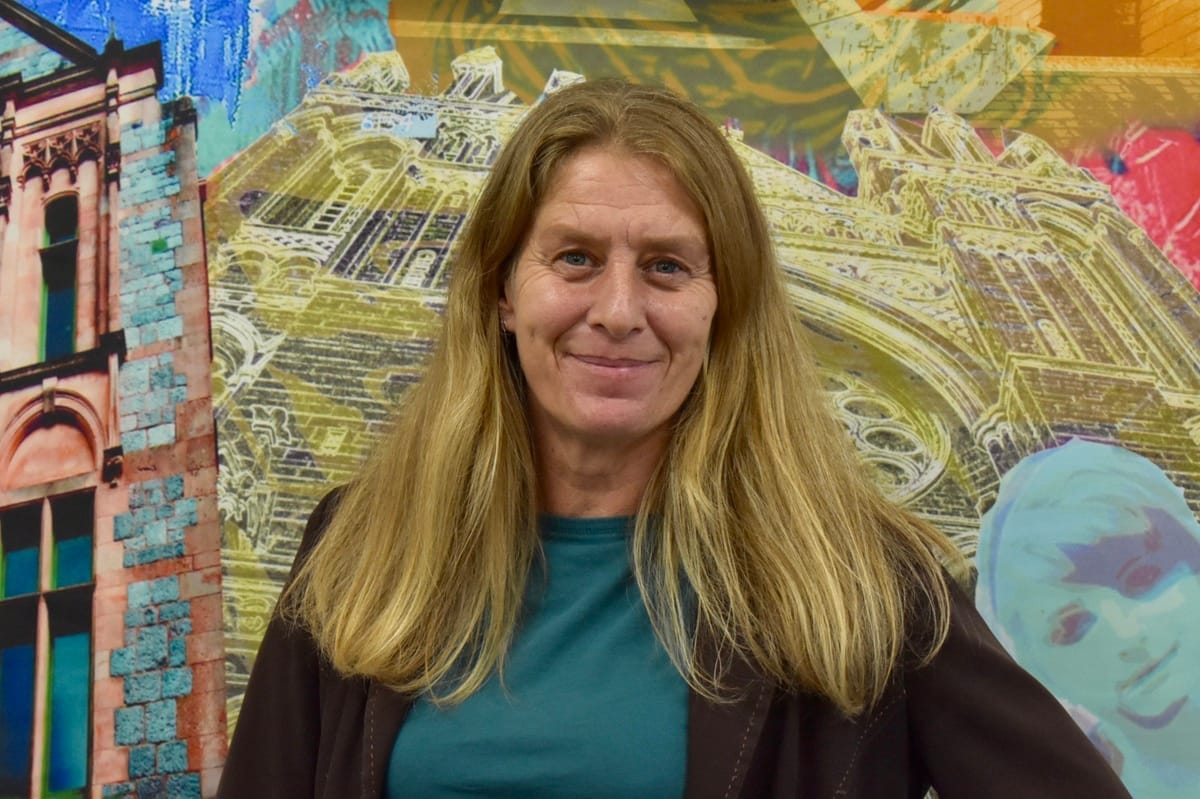
Being Agile in Museums, Arts & Heritage
Practical tools and courses for Arts, Heritage, and Creative professionals
Case Study : Preservation & Conservation - Marketing Project Example and Board Demo
Sign up to watch the full interview and over 20 other stories and examples to guide and inspire you!
Download your FREE Agile Project Planner and Guide
Simple, light, and effective — designed to help you:
Make real progress on your goals
Free up your time and headspace
Gain focus, clarity, and visibility
Create a plan that adapts as things change
Includes:
Guided Step-by-Step Video
Quick Guide PDF
Printable/Digital Project Planner
"Thank you, great method of time management and organisation. I can definitely see how it can help on an individual and organisation wide basis." Janine Fairlie, Ely Museum
“Thank you for this amazing session, incredibly helpful for tackling bigger projects that centre around the unknown.”
— Sophie Gwynn, Durham Cathedral
5 Reasons Why Agile Approaches work in Museums, Arts & Heritage
Being Agile is a way of thinking and working that helps people navigate complexity, adapt to change and work more sustainably. For those working in museums, galleries and heritage, agile can help us balance the demands of curation, collaboration, funding, change and wellbeing.
Here are five reasons why...
1. Supporting smart and creative curation
Agile is an approach where we can test ideas, gather feedback and refine our work as we go for maximising impact. It provides structure without stifling creativity. It creates space for learning and exploration, helping us stay audience focused while keeping the heart of our collections and stories alive. Whether you're developing a new exhibition, immersed in interpretation or preserving heritage, agile supports us to deliver meaningful experiences, one step at a time.
2. Navigating funding challenges
Funding in arts and heritage has become more project focused. Complex goals, short timeframes, big ambitions, collaborations to coordinate, challenges to overcome. Agile supports us to plan flexibly and do the best we can with what we've got! It helps us prioritise what matters most and make sure we are ticking those boxes. It helps us make the best use of the time and budget. Delivering solutions early and often, make progress quickly and respond to funders’ feedback, building confidence and trust along the way.
3. Fostering creative collaboration
Agile thrives on teamwork. It creates space for open communication, shared goals and collective ownership. In heritage spaces where staff, volunteers, freelancers and partners work together, agile offers a common language and rhythm. Daily check-ins, visual boards and regular reviews can help everyone stay aligned and feel part of the journey, whether they’re front of house, behind the scenes or joining remotely.
4. Responding to change with confidence
The best made plans go to waste... From audience expectations to cost of living challenges constant change is all around us and to deliver targets we often need to adapt our initial plans, quickly! Agile helps us respond to change, spot risks early, and opportunities! It gives us tools to sense what’s shifting and adapt our plans without losing direction. Instead of sticking rigidly to long-term plans, we can stay clear on our goals but flexible in how we reach them. That makes us more resilient and ready to explore new opportunities as they emerge.
5. Working at a sustainable pace
Many in the sector are facing burnout. Agile encourages us to work at a sustainable pace, not sprint endlessly from one deadline to the next. It supports wellbeing by building in time for reflection, celebration and rest. It helps us spot when we’re overstretched and take steps to rebalance. By focusing on steady, meaningful progress rather than perfection or pressure, agile helps us care for ourselves as well as our work.
Agile are approaches already naturally present in our arts and heritage sector in many ways, often informally or instinctively. By adopting a more intentional agile approach, we can bring clarity, creativity and calm to our work. Whether you’re a volunteer or a senior curator, a project manager or an educator, agile offers tools and mindsets to help you thrive in a changing world.
If you'd like to learn more you can download the Free Agile Project Planner for a taster, or join me on my live monthly workshop. If you'd like to learn at your own pace, check out the online course, or do get in touch if you would like a custom session for you or your team or network.
My courses and workshops are designed specifically for professionals in the arts, heritage, and creative sectors. This session introduces Agile project management, a flexible and collaborative approach that helps teams navigate change, manage resources effectively, and deliver impactful work.
Get Started
Whether you’re an individual, small team, or large organisation, Being Agile gives you the tools, frameworks, and guidance to:
Reduce overwhelm and stay focused
Plan and deliver projects effectively
Collaborate efficiently
Respond to change confidently
Build resilience and sustainable working practices